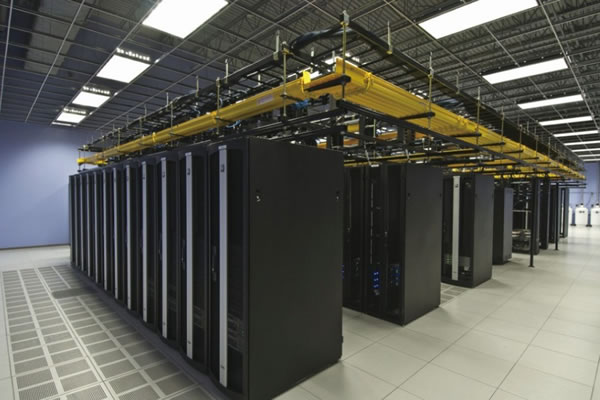
migrating a website from domestic or other regions to a korean server rental website requires systematic planning and execution. migration not only affects access speed and seo ranking, but also involves legal compliance, data integrity and operation and maintenance continuity. the six main tasks that companies need to prepare for migrating to a korean server rental website are explained in order below, so that companies can advance the project in an orderly manner, reduce risks, and ensure user experience.
1. assess business and traffic needs
before deciding to migrate, first evaluate the business coverage area, peak concurrency, bandwidth requirements, and storage capacity. make it clear whether users are mainly located in south korea or surrounding areas to determine the necessity and specifications of server rental. reasonable resource evaluation can avoid resource waste or performance bottlenecks and provide a basis for subsequent selection and budget.
2. choose the appropriate korean computer room and network operator
choose a korean computer room with a good backbone network, stable links and low latency, and pay attention to the security level, power redundancy and physical access control of the computer room. evaluate local isp interconnection quality and international export bandwidth to ensure the stability of cross-border access. consider deploying multiple availability zones in the same city to improve availability and disaster recovery capabilities.
3. domain name, dns and cdn configuration optimization
domain name resolution strategy is crucial to access speed and seo. configure dns resolution nearby and use smart dns or load balancing, combined with cdn to accelerate static resources and edge caching, to reduce response time for users in south korea and surrounding areas. make ttl adjustment and rollback plans before making changes to avoid large-scale access fluctuations during parsing switching.
4. data migration and compatibility testing
develop a data migration plan, including database export and import, file synchronization and incremental data replication to ensure data integrity and consistency. conduct functional, performance and compatibility testing before and after migration to verify details such as time zone, character set and encoding to reduce the risk of errors or data loss after going online.
5. safety compliance and legal review
when migrating to a korean server, you need to pay attention to local data protection regulations, privacy requirements and cross-border transfer restrictions. carry out access control, log auditing and intrusion detection, and configure security measures such as https/tls and waf. for businesses involving personal information or sensitive data, the legal compliance team should be consulted and the necessary filings or reviews completed.
6. operation and maintenance guarantee and monitoring and alarm system
establish a complete monitoring, alarm and backup mechanism, covering key indicators such as availability, response time, error rate and bandwidth usage. develop emergency recovery and failover procedures, and arrange local or remote operation and maintenance support to ensure that services can be quickly located and restored when abnormalities occur to ensure business continuity.
summary and suggestions
enterprises migrating to a korean server rental website require system preparation in six aspects, including demand assessment, computer room selection, dns and cdn configuration, data migration, security compliance, and operation and maintenance monitoring. it is recommended to implement it in stages, gradually switch and retain the rollback plan, and introduce technical and legal consultants with cross-border experience when necessary to ensure a smooth and safe migration and improve user experience and seo performance.
- Latest articles
- A Practical Guide Teaches You Common Testing Methods To Verify Whether Hong Kong Server Clusters Are Exclusive
- Contract Considerations: Caution Is Needed When Choosing Ranked Vendors For US Server Rentals
- Best Practices For SMEs Using Cambodia CN2 Return-to-China Servers To Reduce Latency Costs
- Common Troubleshooting Steps And Rapid Recovery Solutions For Taiwan Telecom CN2 Broadband
- An Automated Operations And Maintenance Solution Covering Everything From Development To Monitoring How To Build A Site On Hong Kong Cloud Servers
- From A Business Perspective, Is Vietnam's VPS Reliable? Considerations Regarding Compliance And Data Security
- Free Server Korea Security Protection Policy And Backup Implementation Guide
- Cost And Operation Management Recommendations For Enterprises Deploying Korean CN2 Site Cluster Cloud Servers
- Basic Information On Taiwan Proxy Servers, Common Terminology Explanations, And Purchase Precautions
- How To Choose A Cloud Server In Thailand: From Network Latency To After-sales Service, Comprehensive Aspects
- Popular tags
-

Share The Best Practices Of Korean Site Group Server Optimization
This article shares best practices about Korean site group server optimization to help improve the search engine ranking and user experience of the website. -

Korean Website Group Server 4c Cache And Cdn Combination Solution To Improve Access Speed
this article introduces how to optimize access speed through 4c caching strategy and cdn combination when deploying site cluster servers in south korea, including cache levels, cache rules, cdn configuration and operation and maintenance points. it is suitable for site cluster architecture optimization for korean users. -
How To Stand Out Among Korean Purchasing Agents
this article explores how to stand out among korean purchasing agents and provides practical tips and strategies to help purchasing agents improve their competitiveness.